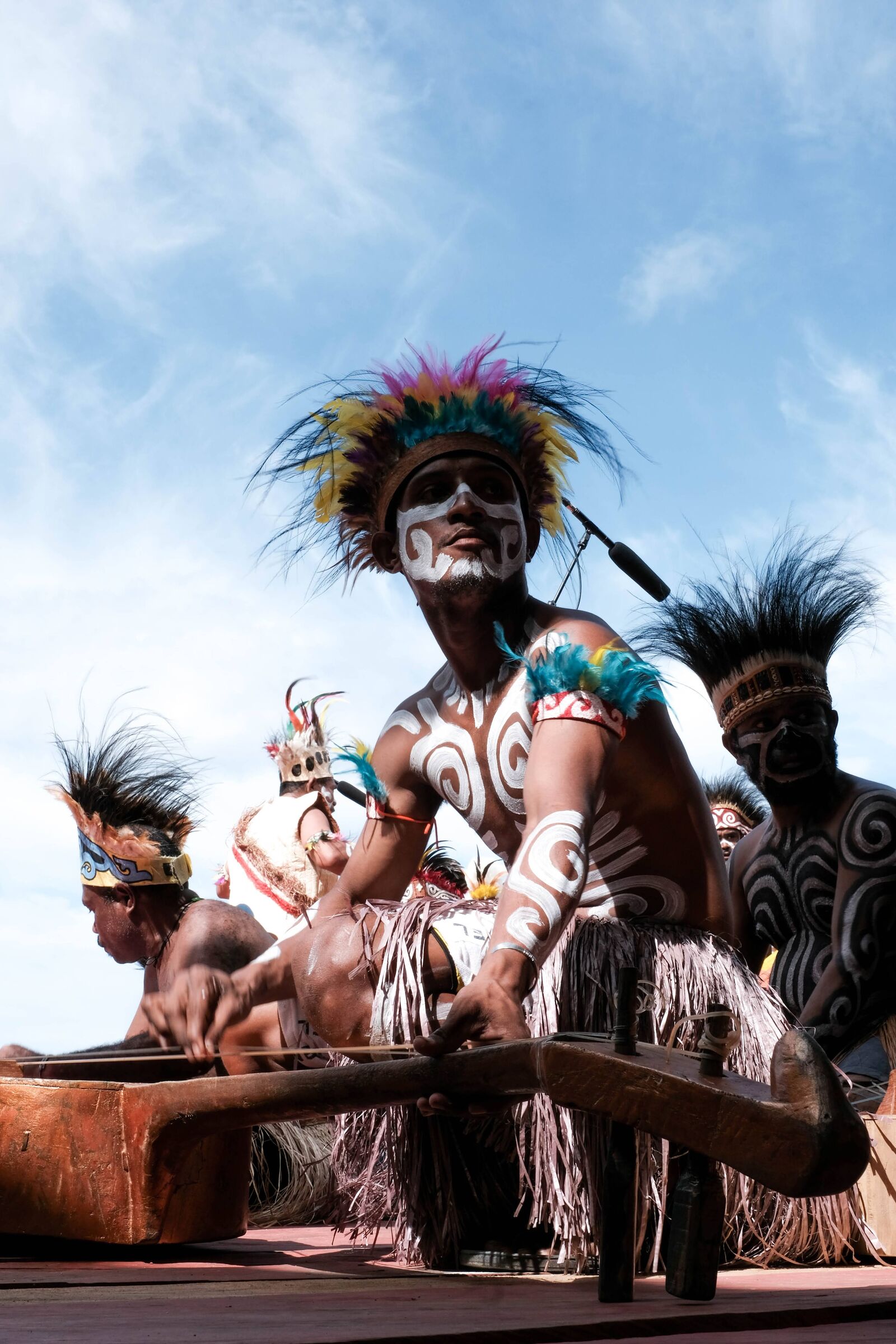
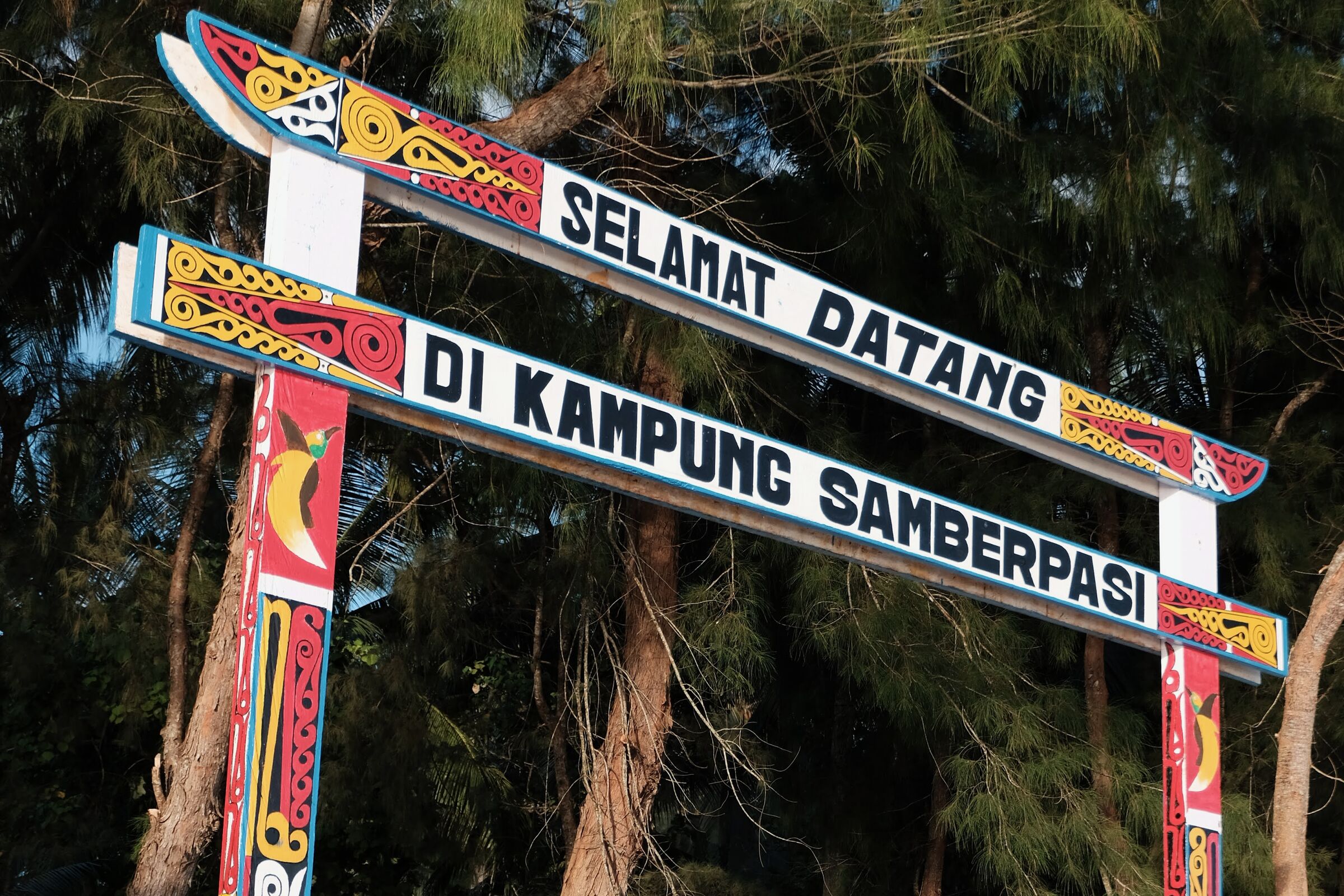
Papua is the eastern third of Indonesia and most Indonesians have never been. The flight from Jakarta to Biak, Papua’s main commercial city, runs eight hours. It costs about what it costs to fly to the United States. From Biak’s Frans Kaisepo Airport you wait for a car. The car is an hour. Then you find a boat. The boat is four hours of open ocean, if the waves work in your favor. At the end of those four hours, on a small island called Samber Pasi, my university dropped me off for two months.
The island is small. White sand. The water is clear all the way to the bottom. Sunrises come up like a slow curtain. I have been to a lot of beaches in Indonesia, and this one is the beach I show people when I want to brag.
Nature-to-table
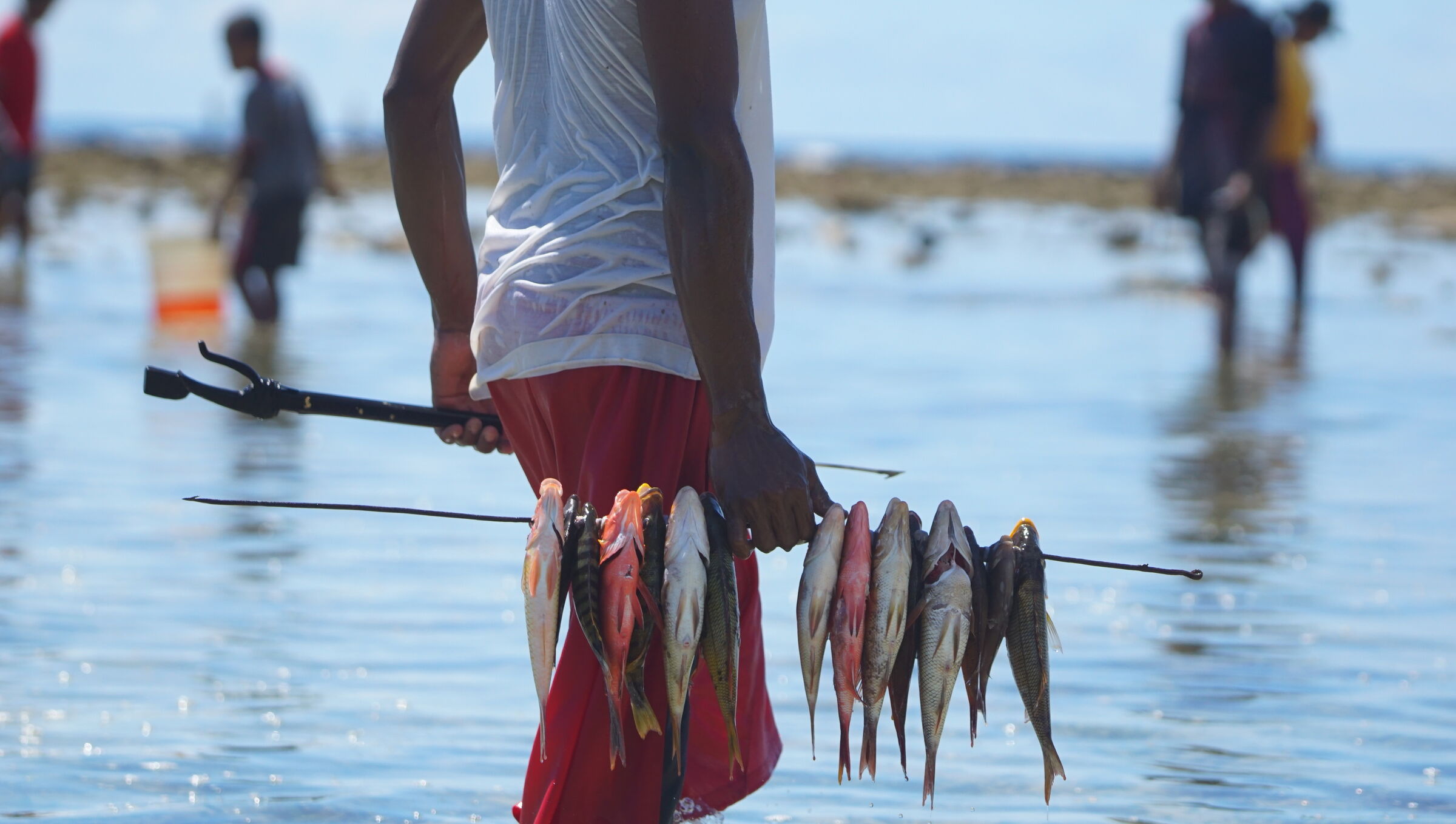
The food on the island is what’s around. Coconuts come off the tree. Fish come out of the water at dawn. The menu — if you want to call it that — includes things you don’t see in cities: coconut crab, reef shark, the occasional sea turtle.
Cheryl, one of our teammates, found out a few weeks in that the islanders sacrifice sea turtles as part of funeral rituals. She lost it. Sea turtles are a protected species in Indonesia. The ritual has been part of life on the island for as long as anyone remembers, and the reef has absorbed it. Nobody on the island knew the law. Nobody from the mainland was coming to tell them.
Calling any of this “nature-to-table” feels tone-deaf the second it leaves my mouth. The locals forage because there is nothing else.
The shape of the week
The island has no infrastructure you’d recognize as such. Cell signal is at the top of one specific coconut tree. People climb to make calls. Electricity runs from 6 p.m. to 6 a.m. on a generator. Fresh water comes in jerrycans on a four-hour boat ride from the mainland.
The week is shaped like a supply chain. Three days on the island fishing. Three days in town selling the catch and stocking up. A market, a beer or two, a hot meal that isn’t fish. Then Sunday off, which is for church and family. People here are earnest about the church the way I haven’t seen in Java in years. No drinking on Sundays. No exceptions I saw.
What the boat doesn’t bring
There is one school. One classroom. One teacher running the whole elementary school — grades one through six, same room, same hour. To go past sixth grade, kids take a one-hour boat to a different island. Many adults on Samber Pasi can’t read. Many don’t speak Indonesian fluently — they grew up on the local language and use Indonesian only when an outsider shows up.
You feel the gap on the docks. Fishermen come back with the catch and the price has already been set, by middlemen who intercept the boats before they reach the mainland. The fishermen sell at the price they’ve sold at for generations. It covers what they need on the island. They don’t necessarily know what the same fish goes for in town, and the middlemen are in no rush to mention it.
Many people on Samber Pasi also don’t have basic citizenship documents. No birth certificate, no national ID. On paper, to the state, they don’t exist.
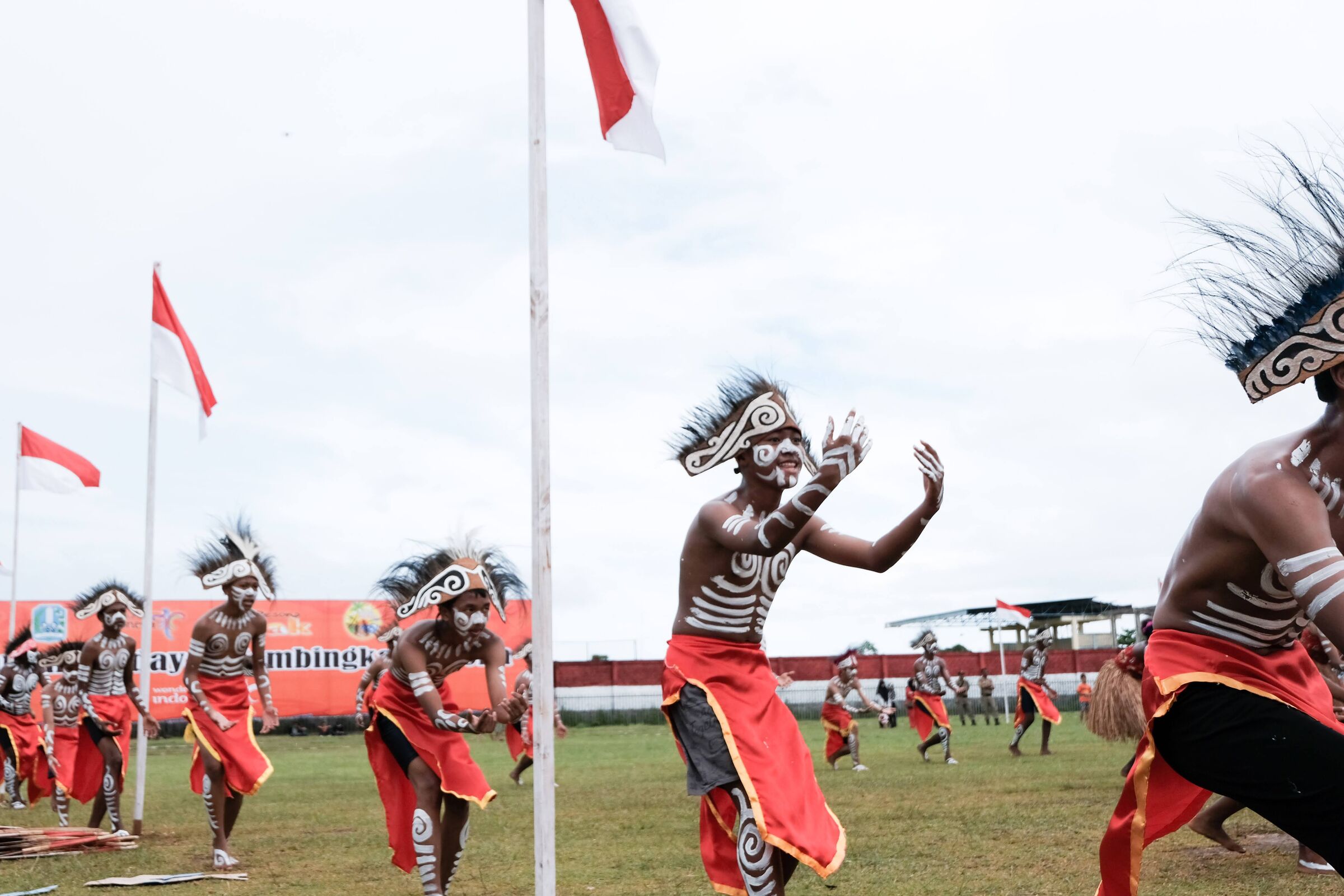
I’m Indonesian. Papua shows up in every diversity speech I’ve heard since elementary school. Two months on Samber Pasi made the speeches feel like marketing copy. The school has one teacher.